We eat from one to two pounds of insects each year Most of insects are caught wild except for silk moth pupae Ants have a lemon tang Giant water bugs taste of mint Fire ant pupae taste of watermelon Where it`s popular and how they eat them? Africa, Asia, and Latin America Winged termites are collected and fried, roasted, or made into bread. With cornmeal porridge. Beekeepers are considered virile, because they regularly eat larvae from their beehives De-winged dragonflies boiled in coconut milk with ginger and garlic. The agave worm, is eaten on tortillas and placed in bottles of mezcal liquor. Casu marzu- riddled with live insect larve, also called a rotten cheese. In Europe and USA it´s not popular. Why it´s good? Protein, but also vitamins, minerals, and fats. Crickets are high in calcium, and termites are rich in iron. Hamburger-18% protein and 18% fat. Cooked grasshopper- 60% protein and 6% fat. 45 kgs of feed produces 4
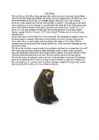
The Sun Bear possesses sickle-shaped claws that are relatively light in weight. It has large paws with naked soles, probably to assist in climbing. Its inward-turned feet make the bear's walk pigeon toed, but it is an excellent climber. It has small, round ears and a stout snout. The tail is 1.2-2.8 inches (3-7 cm) long. Despite its small size, the Sun Bear possesses a very long, slender tongue, ranging from 8 to 10 inches (20-25 cm) in length. The bear uses it to extract honey from beehives. Unlike other bears, the Sun Bear's fur is short and sleek. This adaptation is probably due to the lowland climates it inhabits. Dark black or brown-black fur covers its body, except on the chest, where there is a pale orange-yellow marking in the shape of a horseshoe. Similar colored fur can be found around the muzzle and the eyes. These distinctive markings give the Sun Bear its name. The diet of the Sun Bear consists mainly of invertebrates and fruits but as omnivores they will
 annaabi.ee