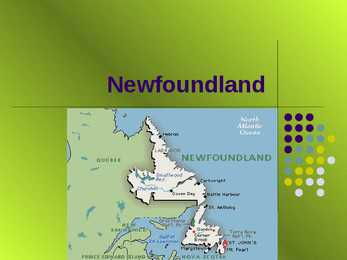
best places to see nature in all its glory. Coastlines, thick forests, ancient rock formations, seabird colonies, tiny alpine blossoms, and rich marine life are all part of diverse natural heritage. Nature The provincial flower the pitcher plant can be found, among other wildflowers like rare orchids and plants, in bogs and marshland. Landscape holds, the most delightful just might be sweet, fresh berries(blueberries, partridgeberries, blackberries or crowberries) Bakeapples, also called cloudberries, are a local favourite. Wildlife There's no shortage of wildlife in Newfoundland and Labrador . There are more than 120,000 moose and the population density in Gros Morne National Park is one of the highest in North America . It's also home to one of the world's largest caribou herds and some of the continent's biggest black bears. People Newfoundland and Labrador is known for its friendly people. Real and genuine, warm and welcoming.
Labrador is considered to be a subarctic climate while most of Newfoundland would be considered to have a humid continental climate. Agriculture Agriculture in Newfoundland is limited to areas south of St. John's, near Deer Lake and in the Codroy Valley. Potatoes, rutabagas, known locally as "turnips", carrots and cabbage are grown for local consumption. Poultry, eggs are also produced. Wild blueberries, partridgeberries (lingonberries) and bakeapples (cloudberries) are harvested commercially and used in jams and wine making. Dairy production is also another huge part of the Newfoundland Agriculture Industry.
 annaabi.ee