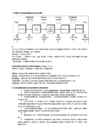
vrke ja ka host arvuteid, teiste vrkude vahel. The subnet mask is important part of building office networks. Its an address what defines the size of the network, how many subnets you can use and how many ip addresses are for hosts. Here are some examples: IP address is 10.10.10.x subnet mask 255.255.255.0 - You have 1 subnet and 254 host addresses IP address is 10.10.10.x subnet mask 255.255.254.0 - You have 2 subnet and 510 host adresses Computers use subnet mask to understand which network they belong. Computers with the same subnet mask, can communicate with each other directly. A subnet mask is what tells the computer what part of the IP address is the network and what part is for the host computers on that network. Toon mningad nited kus on IP aadress 10.10.10.x ja on mratud subnetiks 255.255.255.0, siis thendab Suppose you have two departments in the office and you want to separate them from
develop LAN. 1980-90 The number of hosts connected to ARPAnet was around 200. The 80s was a period of rapid growth, much of that a direct result of several efforts to connect several universities. BITNET provided e-mail and file transfers between several universities while CSNET was formed to link uni researchers who had no access to ARPAnet. In 83 the official TCP/IP was deployed as the standard ARPAnet protocol, replacing NCP. DNS was also developed (a map between human-readable web adresses and IP adresses). In come the French who launched the Minitel project, a plan to bring data networking into everyone’s home. It consisted of a public packet-switched network, Minitel servers and inexpensive terminals with built-in modems (that were slow af). It proved to be tremendously successful, as the French government gave away a free Minitel terminal to each French household that desired one (people love free stuff). 1990s Coming soon - the commercialisation of the Internet
 annaabi.ee