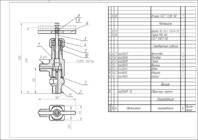
8 2A 10 Ðåçèíà ÃÎÑÒ 7338-90 1 9 6 Ìàòåðèàëû 2A 9 Øàéáà 10 ÃÎÑÒ 11371-78 1 2A 8 Ãàéêà Ì10-6H 1 3 ÃÎÑÒ 5927-70 1 4 Ñòàíäàðòíûå èçäåëèÿ 5 À4 2A 7 6.628
cipher 22228776165941247033429328964 The encipherer divided this into groups of five, 22228 77616 59412 47033 42932 8964, with perhaps a 0 at the end to fill out the group. He then composed an indicator group to tell the decipherer where to find the key: 11 for the row, 3 for the column, 71 for the page (hundreds figures were omitted; presumably the decipherer would have to try page 71 or 271 if page 171's key did not make sense). To conceal this indicator group, 11371, the encipherer added to it, by noncarrying addition, the fourth group from the beginning of the message, 47033, and the fourth group from the end, 59412, to give 07716. He placed this group at the head of the message and gave it to the radioman to send. This was the standard Soviet spy cipher of World War II. Later in the war, when Foote was enciphering, a few minor improvements had been made to improve reliability and security. Numbers were repeated three times instead of twice
 annaabi.ee