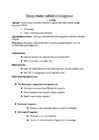
The ADDR register specifies a location in main memory. The PC register is the program counter. The PC specifies the location in memory that holds the next instruction to be executed. The IR is the instruction register. When the CPU fetches a program instruction from main memory, this is where it puts it. The COUNT register counts off the steps in a fetch-and-execute cycle. It takes the CPU several steps to fetch and execute an instruction. Hierarhia pistikutest progekeelteni Esimene: programmeerimismeetod: kaablid ja pistikud Teine: von Neumanni arhitektuur, programm malus binaarkoodina:01011101 01001011 01010101 11010101 10101001 ....Lihtsam kirjutada hexas, ntx 4A FC 09 B2 .... Kolmas: Esmane progekeel: assembler. Uks masinakask: tuupiliselt uks rida assembleri-programmi Neljas: Harilik progekeel ehk nn korgkeel (fortran, basic, c, java,python jne jne).Harilikud valemid, if-then-else jne, a la x=2*y+sin(y); Kõrgkeeled on erineva abstraktsusastmega:
main memory, this is where it puts it. The IR holds that instruction while it is being executed. The COUNT register counts off the steps in a fetch-and-execute cycle. It takes the CPU several steps to fetch and execute an instruction. When COUNT is 1, it does step 1; when COUNT is 2, it does step 2; and so forth. Remember that as the COUNT register counts 0, 1, 2,..., just one machine language program is being executed Hierarhia pistikutest progekeelteni Esimene: programmeerimismeetod: kaablid ja pistikud Teine: von Neumanni arhitektuur, programm mälus binaarkoodina: 01011101 01001011 01010101 11010101 10101001 .... Lihtsam kirjutada hexas, ntx 4A FC 09 B2 .... Kolmas: Esmane progekeel: assembler. Üks masinakäsk: tüüpiliselt üks rida assembleriprogrammi Neljas: Harilik progekeel ehk nn kõrgkeel (fortran, basic, c, java, python jne jne). Harilikud valemid, if-then-else jne, a la x=2*y+sin(y);
 annaabi.ee