 Tasuta
Faili alla laadimine on tasuta
Tasuta
Faili alla laadimine on tasuta
 ~ 11 lehte
Lehekülgede arv dokumendis
~ 11 lehte
Lehekülgede arv dokumendis
 2015-04-29
Kuupäev, millal dokument üles laeti
2015-04-29
Kuupäev, millal dokument üles laeti
 2 laadimist
Kokku alla laetud
2 laadimist
Kokku alla laetud
 0 arvamust
Teiste kasutajate poolt lisatud kommentaarid
0 arvamust
Teiste kasutajate poolt lisatud kommentaarid
 215906
Õppematerjali autor
215906
Õppematerjali autor
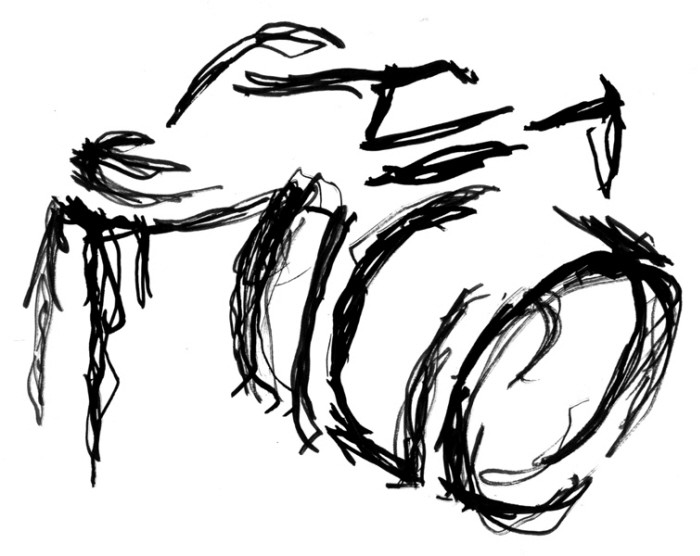
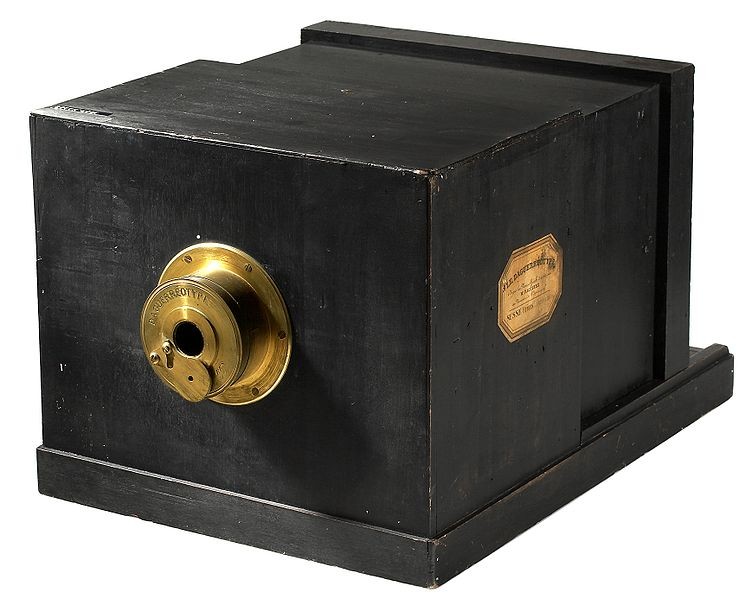
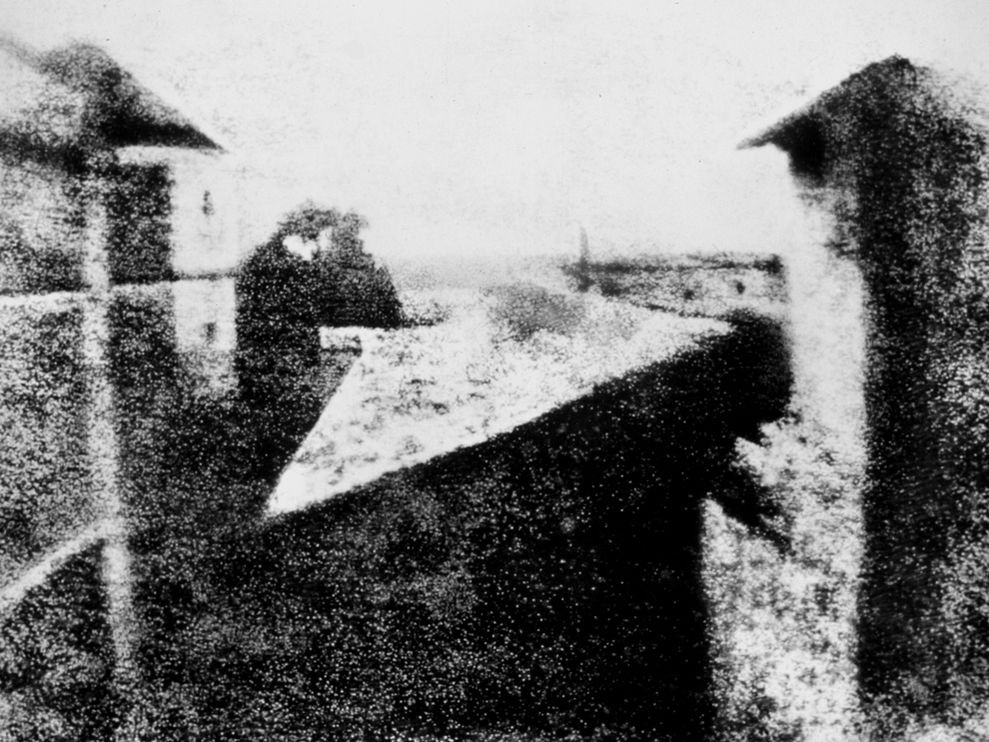
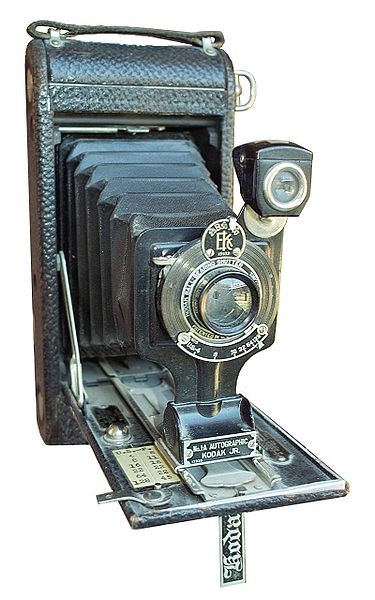
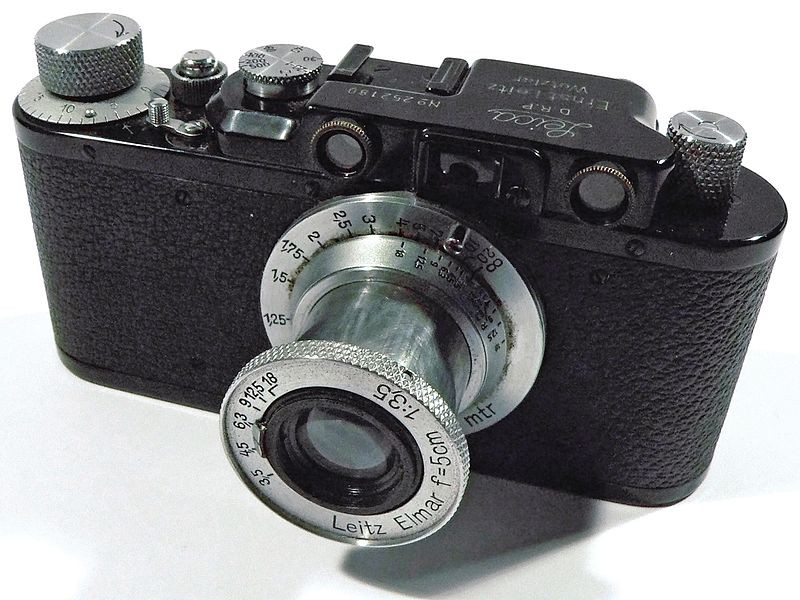
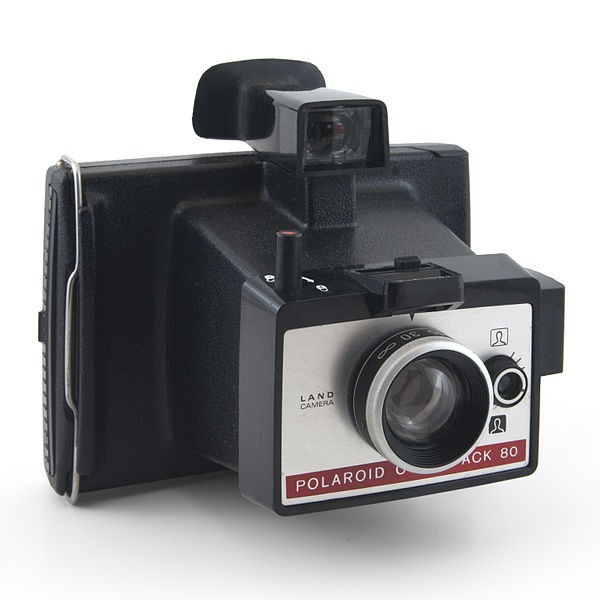
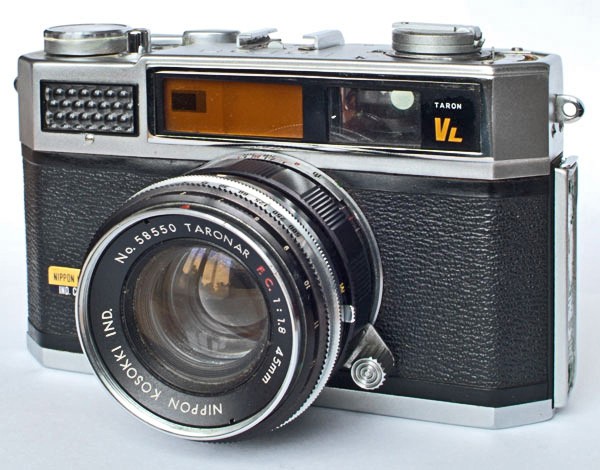
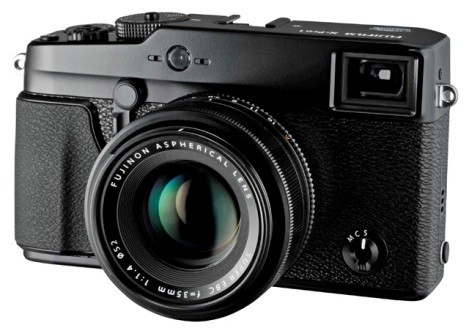
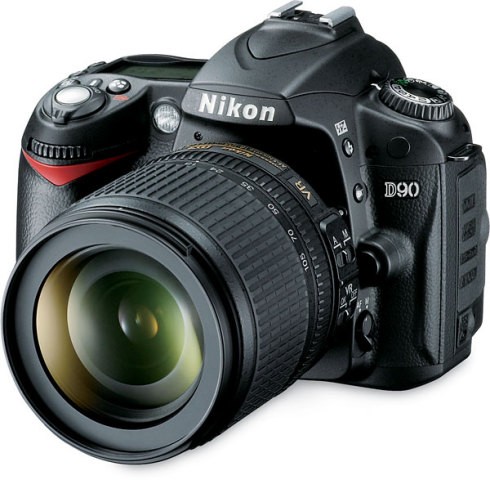
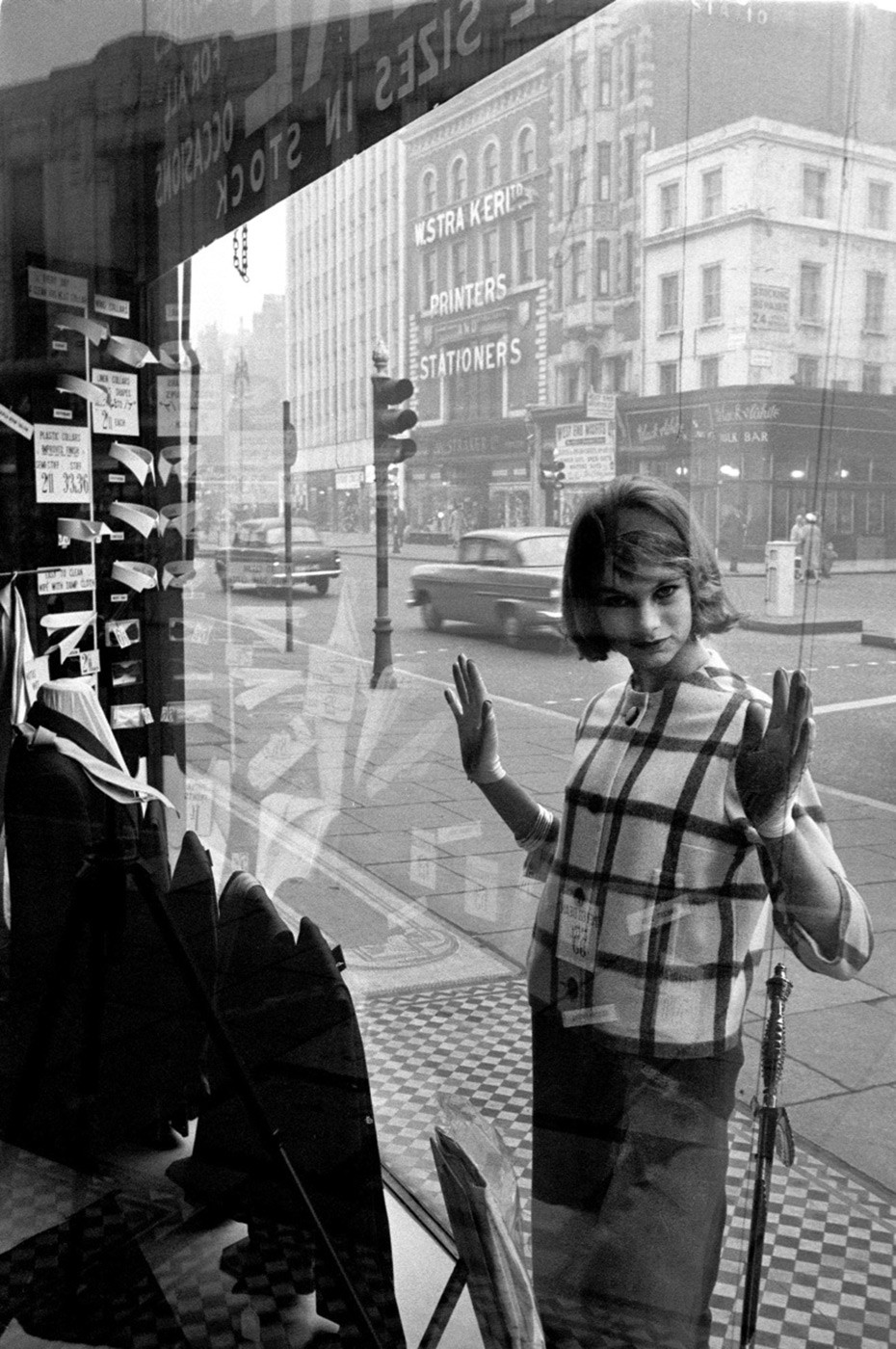
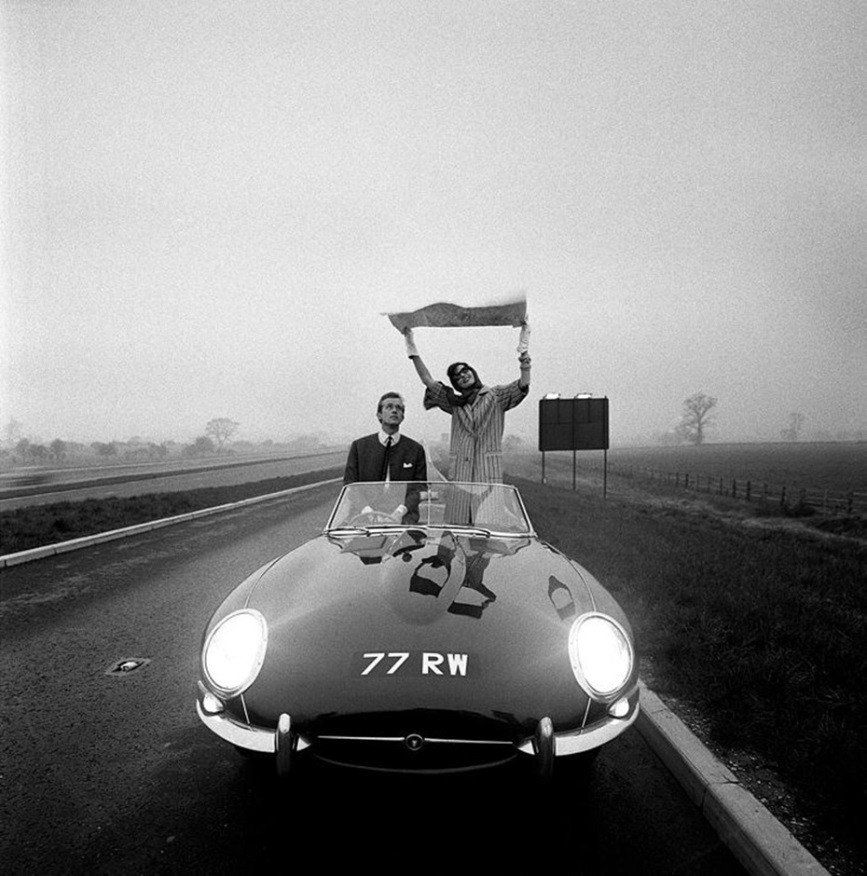
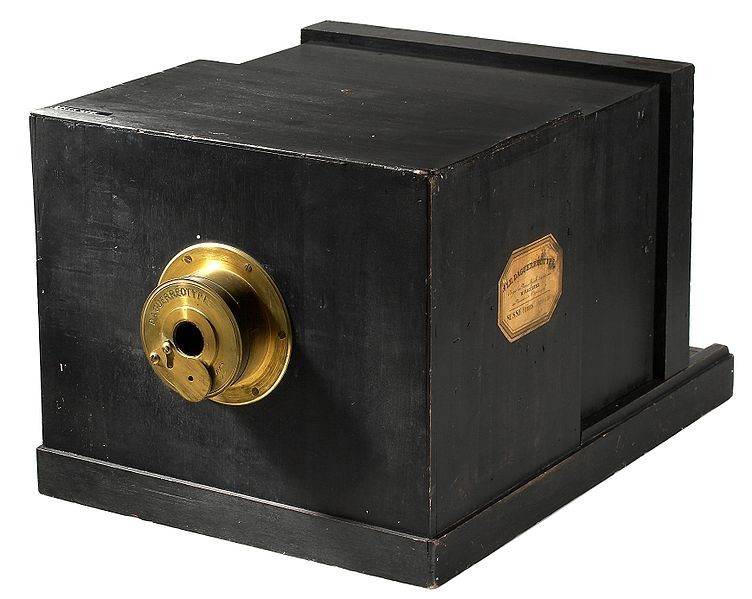
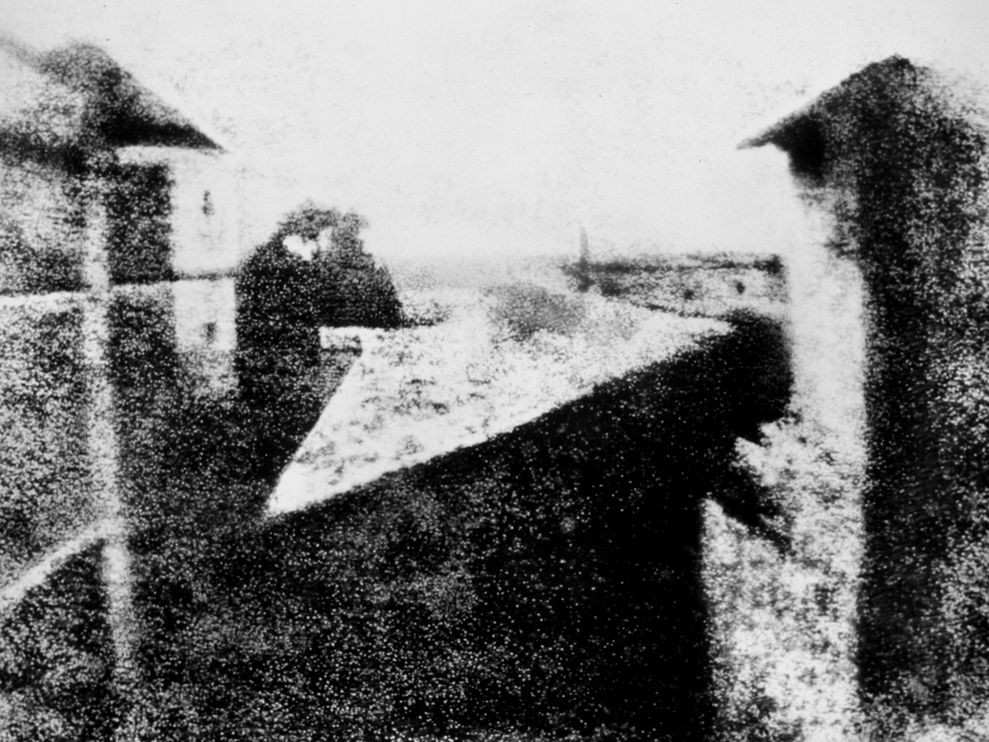
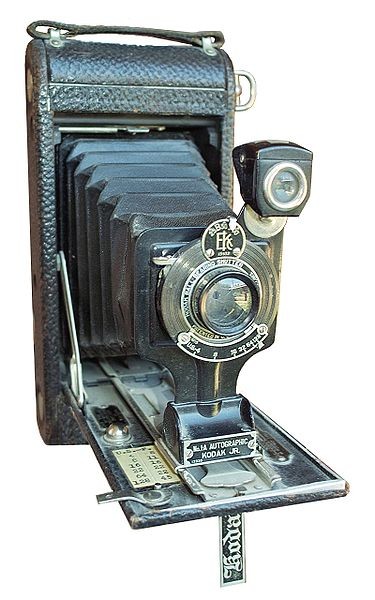
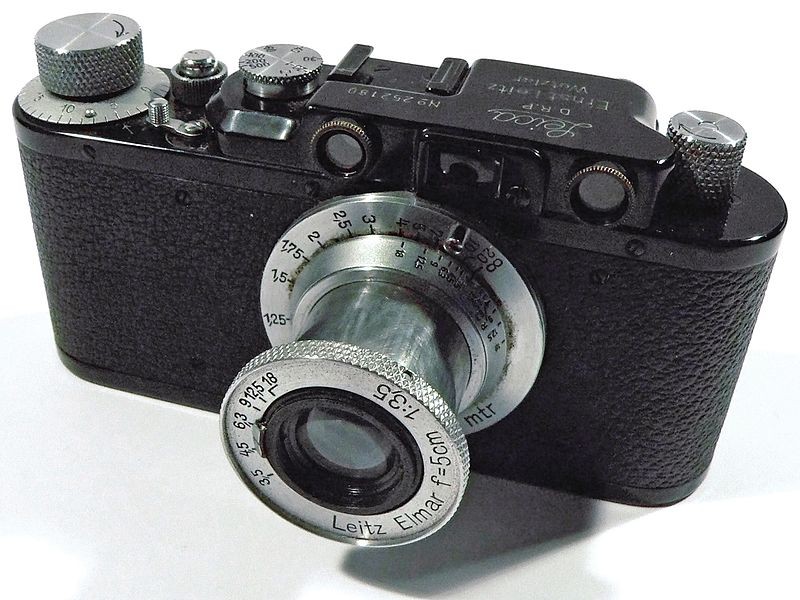
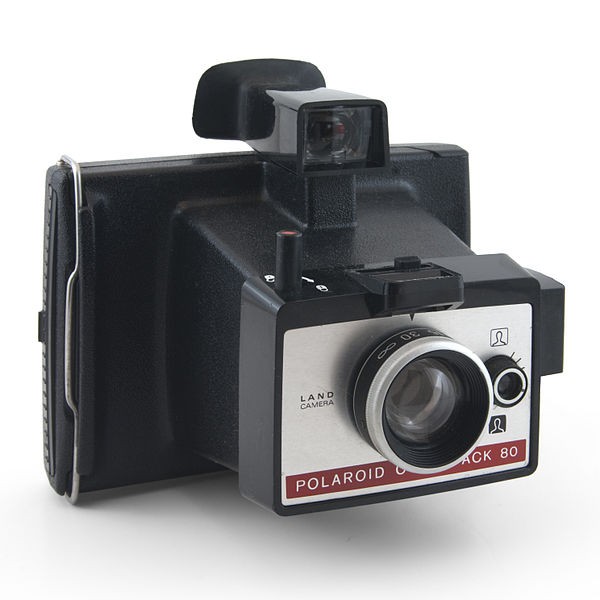
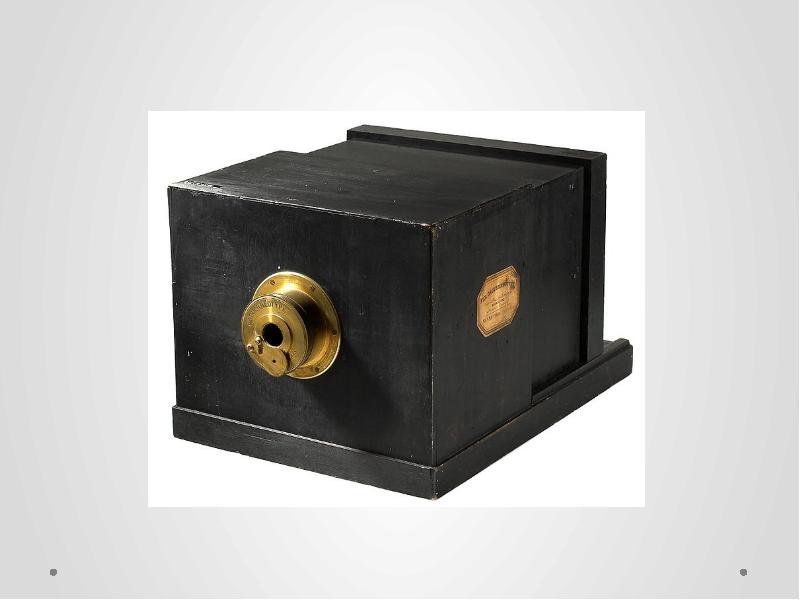
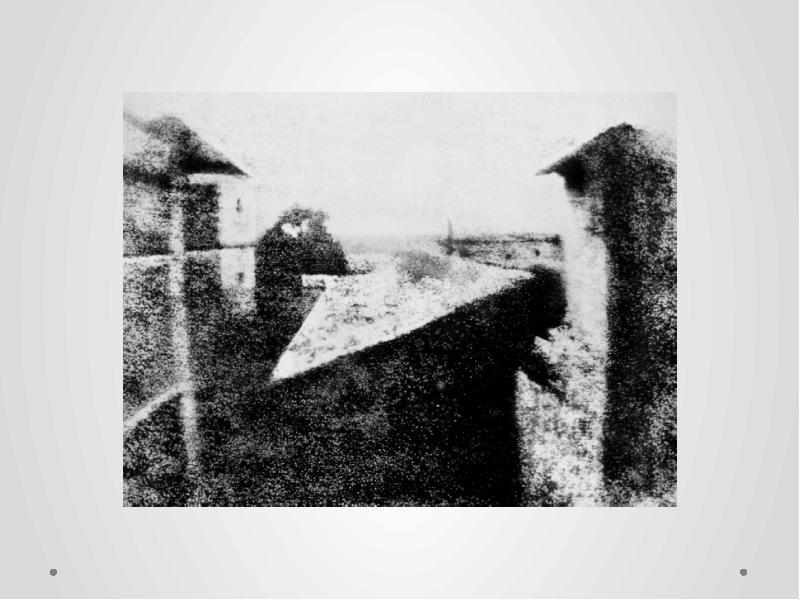
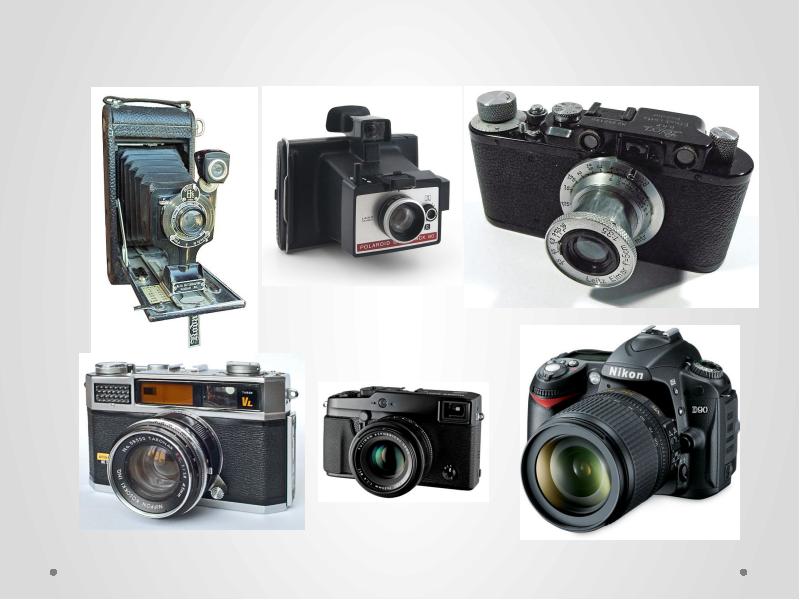
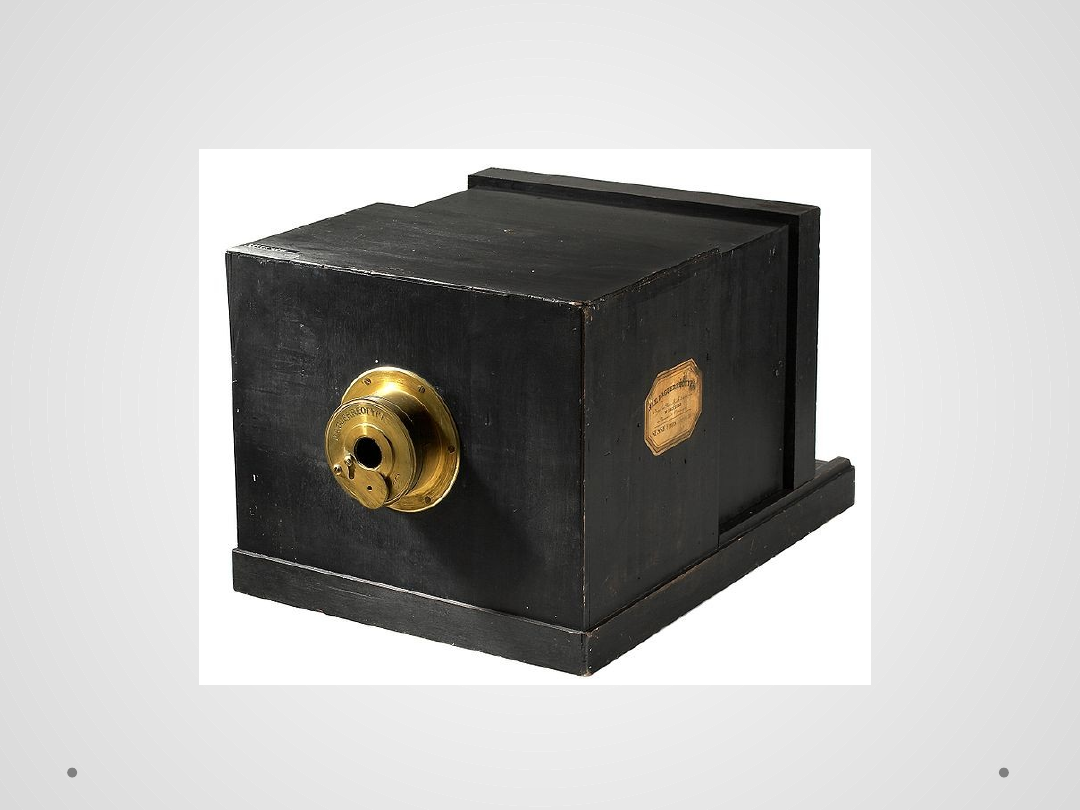
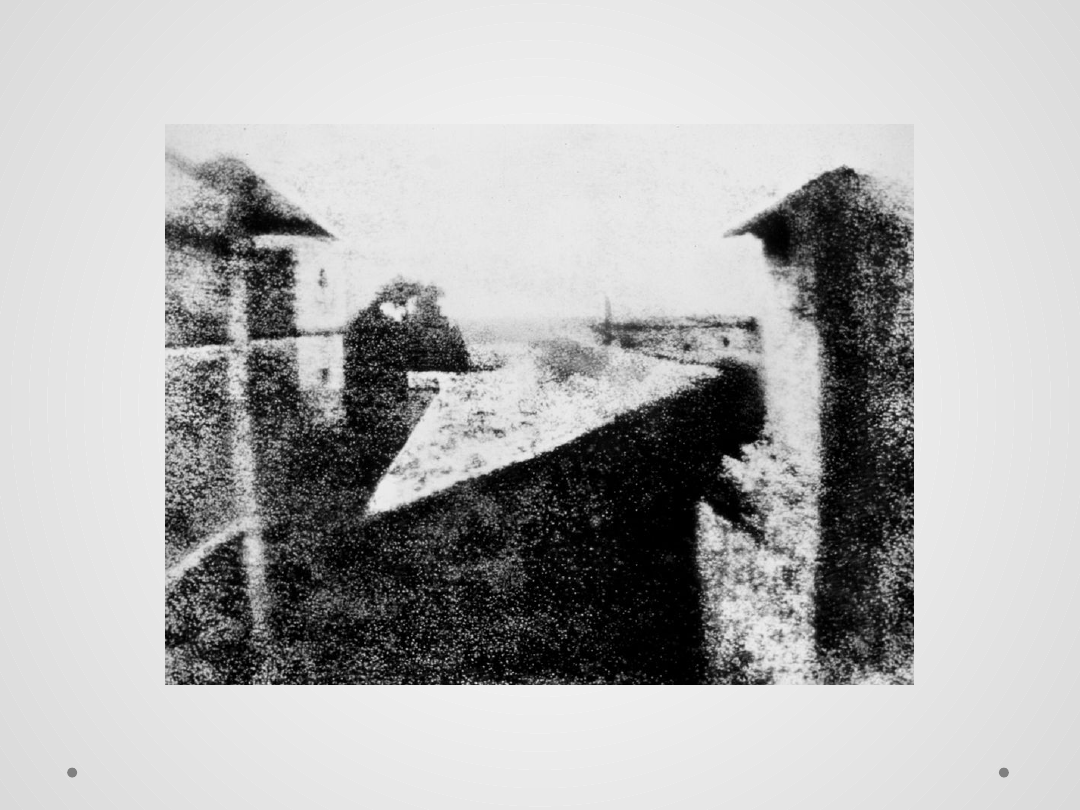
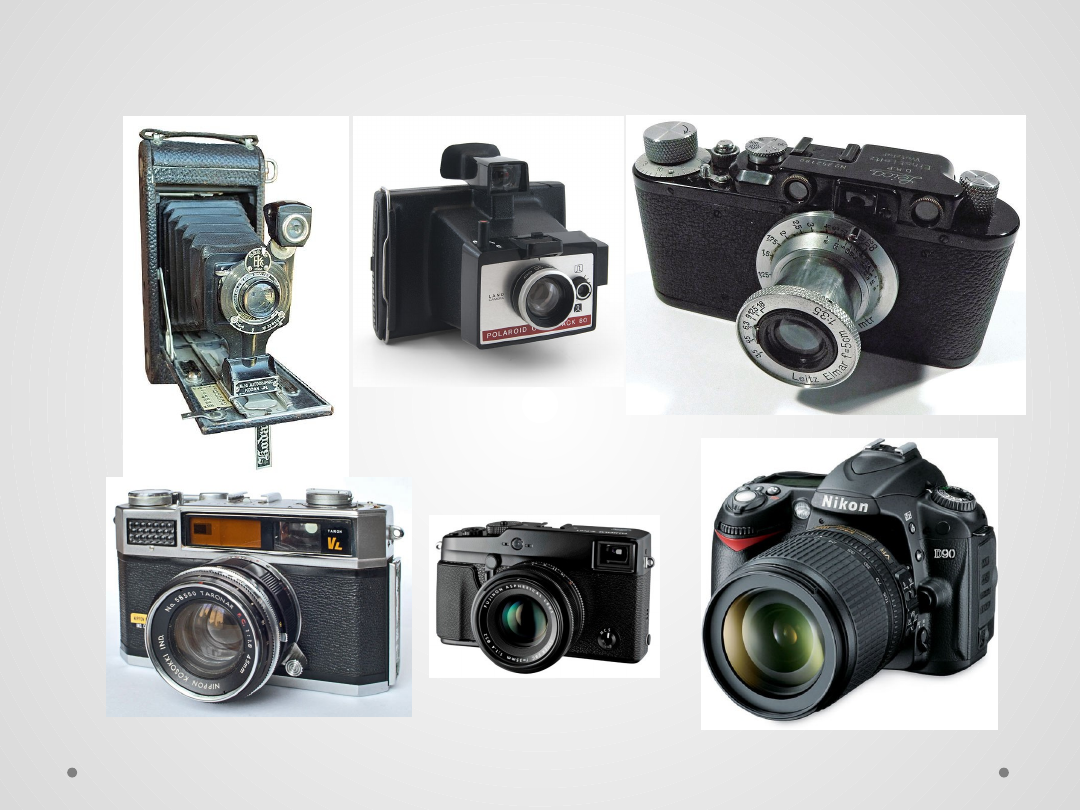
2 Photographic camera & photography (SEBA) Photographic camera is an equipment used for taking photographs (usually consisting of a lightproof box with a lens at one end and light-sensitive film at the other) Photography is The art or practice of taking and processing photographs. 3 Context of the creation of the camera (CARLA) The camera has been used since before Christ. The impact in society the emergence of the camera was important and shocking because it helped us capture important moments in time that can no longer be repeated and helped a lot in the field of communication. The first models of cameras were used in the years before Christ where they were
How the horses helped to ivent the cinema. Cinema was invented by accident. 1872, west coast: leland standford, party, rich people, end of the 19 century, bored. Stanfrod talks friends about horses: problem: question is, what happens with the hooves while its moving, running. Bet, with eyes, can't settle this. Cannot ever see if the hooves touch the ground. Stanford has enough money, hires most famous photographer. Eadwerd muybridge, comes to usa. Tells him to settle this with photography. That time with photography you cannot get any informatio either. Started to install boxes, in each box, there was a camera. Does the hooves touch the ground or not? Fast shutter, can freeze the moment. Makes fast shutters, to record this. Finds solution, hooves are touching. The prerequisites for cinema: camera(edison and dickson), film stock that is flexible and stable to run through camera(kodak, celluloid film), projector, can show the image on a
composition (similar to photography). She also displayed the theme of woman-and-child and with warmth and tenderness. Winslow Homer (late-C19). He is considered the most "American" of American artists. He worked as an illustrator before painting. His technique is comparable to Impressionism in its simplicity. He told stories, displayed multiple figures in scenes, captured gestures and characterized individuals. He had a feeling for light. He was also influenced by photography. Later in his career he turned to watercolors. Among his themes are pleasant holiday activities, blacks, heroism, seascape, adventure pictures and battle of the elements. Thomas Eakins (late-C19). He painted in the mold of both the American style and the luminist style. He painted outdoor sporting pictures and indoor genre pictures and portraits. He unified Realism and science to exhibit preliminary
composition (similar to photography). She also displayed the theme of woman-and-child and with warmth and tenderness. Winslow Homer (late-C19). He is considered the most "American" of American artists. He worked as an illustrator before painting. His technique is comparable to Impressionism in its simplicity. He told stories, displayed multiple figures in scenes, captured gestures and characterized individuals. He had a feeling for light. He was also influenced by photography. Later in his career he turned to watercolors. Among his themes are pleasant holiday activities, blacks, heroism, seascape, adventure pictures and battle of the elements. Thomas Eakins (late-C19). He painted in the mold of both the American style and the luminist style. He painted outdoor sporting pictures and indoor genre pictures and portraits. He unified Realism and science to exhibit preliminary
1 The Medium Is the Message In a culture like ours, long accustomed to splitting and dividing all things as a means of control, it is sometimes a bit of a shock to be reminded that, in operational and practical fact,, the medium is the message. This is merely to say that the personal and social consequences of any medium-that is, of any extension of ourselves-result from the new scale that is introduced into our affairs by each extension of ourselves, or by any new technology. Thus, with automation, for example, the new patterns of human association tend to eliminate jobs, it is true. That is the negative result. Positively, automation creates roles for people, which is to say depth of involvement in their work and human association that our preceding mechanical technology had destroyed. Many people would be disposed to say that it was not the machine, but what one did with the machine, that was its meaning or message. In terms of the ways in which the machine altered our relations to
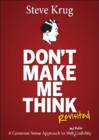
ortomywork.” I find that the most valuable contributions I make to each project always come from keeping just a few key usability principles in mind. I think there’s a lot more leverage for most people in understanding these principles than in another laundry list of specific do’s and don’ts. I’ve tried to boil down the few things I think everybody involved in design should know about usability. Not present at time of photo Just so you don’t waste your time looking for them, here are a few things you won’t find in this book: Hard and fast usability rules.I’ve been at this for a long time, long enough to know that there is no one “right” answer to most usability questions. Design is a complicated process and the real answer to most of the questions people ask me is “It depends.” But I do think that there
sort of beast lurking on the island. 7 b 8 h 9 j 10 i 4 He promises to protect them from 7 Students' own answers the beast. Photocopiable © Oxford University Press 3 Maturita Solutions Advanced Workbook Key 2F Photo comparison 2G Review page 18 If necessary, in a weaker class, page 17 brainstorm ideas about both 1 1 all-time pictures before starting. Students 1 1 skipping 5 kicked 2 highly acclaimed work in pairs to do the task.
or at least without changing the truth-value of the sentence. But consider: (4) Albert believes that Samuel Langhorne Clemens was less than 5 feet tall. and suppose (4) is true. Now, Albert is unaware that Clemens wrote nov- els and stories under the pen name "Twain." We cannot substitute the term "Mark Twain" for "Samuel Langhorne Clemens" in (4) without chang- ing (4)'s truth-value; the result is a false sentence, since (we may suppose) Albert has seen a photo of Twain and believes that he was of normal height. In W. V. Quine's (1960) terminology, the sentential position occupied by the name in (4) is referentially opaque--"opaque" for short--as opposed to referentially transparent ("opaque" means just that substituting a different singular term into that position may change the truth-value of the containing sentence). What causes the opacity is the "believes that" construction, since
 annaabi.ee
















Kõik kommentaarid